
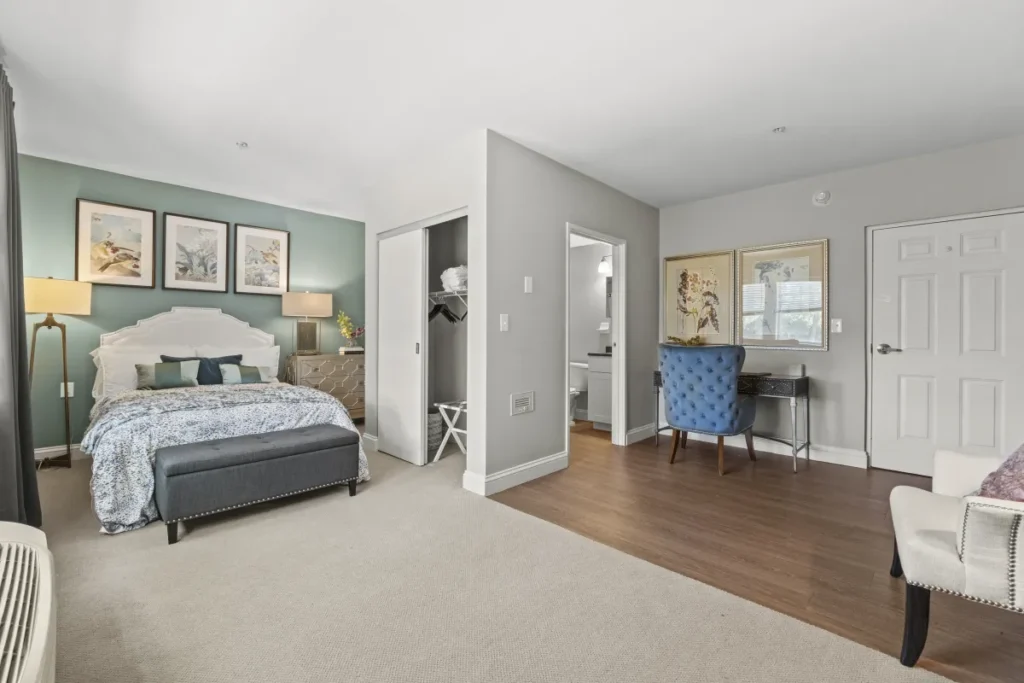
Moving into a smaller space doesn’t have to mean leaving comfort behind. In fact, with the right approach, it can feel like a fresh start. For most families, the move to assisted living starts with sorting from closets to keepsakes to furniture to feelings. And yes, it’s a decluttering challenge. But it’s also a chance to create a living space that actually works for this next chapter.
This guide walks you through what to keep, what to let go of, and how to make the new place feel like home without letting the packing tape take over your life.
Why Downsizing Matters for Senior Living
Senior downsizing is about more than just fitting into a smaller apartment. It’s about reshaping daily life for simplicity, safety, and comfort. Whether your loved one is moving into independent living, memory care, or one of our assisted living communities, downsizing offers relief from home upkeep, fewer safety risks, and more room, mentally and emotionally, for connection.
But let’s be honest. Sentimental items are the hardest to sort through. Every object tells a story. That’s why it helps to focus on what adds comfort, safety, or daily joy. You’re not throwing things away. You’re editing down to what still matters.
Getting Started
The earlier you begin, the better. Starting early gives you time to sort through your belongings carefully, not in a rush. Walk room by room and ask: Does this serve a purpose? Does it hold deep meaning? Then make a plan. Use a calendar if you have to. A few boxes each weekend beats trying to do it all the week before the move.
Let family help. Sorting with loved ones can turn a hard task into a meaningful one. You’ll share stories, laugh at some old finds, and maybe even uncover a few long-lost treasures.
What to Leave Behind
Most apartments in assisted living communities are designed to be open, accessible, and easy to move through. Oversized furniture, duplicate kitchen gear, and “just in case” items usually don’t make the cut. Also on the leave-behind list:
- Fragile items that can’t withstand a bump or two
- Hazardous materials (yes, even that half-used can of paint)
- Anything that could be a fire hazard
- Giant collections of things that rarely get used
If your loved one is on the fence, try the 10-10-10 rule: How will I feel about this item in 10 minutes, 10 months, 10 years? It helps sort through emotion and practicality in equal measure. And when something’s too large to keep but too meaningful to toss, take a photo. The memory doesn’t need to take up square footage.
What to Bring
The goal isn’t to recreate every room, but to take the things that really matter. Bring the things that offer comfort, routine, or identity. That might mean your loved one’s favorite recliner that’s molded perfectly to their shape, the bedding they sleep best under, or a throw blanket they always reach for. A few well-loved family photos, meaningful artwork, or even the lamp that casts just the right glow in the evening can go a long way in creating familiarity. A small table and chair for reading or jotting notes can add function without clutter. These small but thoughtful touches are what turn an apartment into a home. And yes, bring the sentimental items, just not all of them. Choose the ones that still offer comfort or spark joy.
Room-By-Room Downsizing Tips
Each room has its own quirks and its own hazards. Here’s how to pack smarter and settle in safer:
Living Room: Choose a few pieces that encourage conversation and leave enough room to walk freely.
Bedroom: Think soft lighting, a simple nightstand, and bedding that feels familiar. Avoid overcrowding.
Kitchen: Keep only what’s used regularly. Leave behind the wedding china and double blenders.
Bathroom: Prioritize accessibility with non-slip mats, a clear countertop, and basic daily items.
Home Office or Hobby Areas: Keep active projects and necessary supplies. The rest can go into a labeled bin or a storage unit if truly needed.
Planning the Move to Reduce Stress
Each area of the home presents unique challenges. In the living room, consider pieces that encourage conversation and movement, ensuring there is clear space for walking. The bedroom should promote relaxation, using simple furniture and soft lighting while avoiding overcrowded nightstands. In the kitchen, limit supplies to what you regularly use, ensuring compliance with community safety standards and avoiding unnecessary duplicates. The bathroom should prioritize accessibility, with non-slip mats and essential toiletries rather than decorative clutter. For those who have a home office or hobby area, simplify to portable or multipurpose storage and retain only current projects or essential supplies.
Personalize Your New Apartment
A new apartment starts feeling familiar when it reflects who you are. Start with furniture that fits. Use fabrics and colors your loved one already enjoys. Add a few houseplants or flowers for a natural touch. Recreate the layout of favorite rooms if possible.
Decorating with photos, keepsakes, or familiar art helps ease the transition. So does getting involved: lounges, shared gardens, game nights. Community helps the new place feel less like a move and more like a fresh start.
Involving Loved Ones in The Process
Family makes the process lighter both physically and emotionally. Invite your people to help pack, sort, and share stories. Give special items to children or grandchildren. That way, the memories stay close even if the item doesn’t come to assisted living. Be open about how it feels. Downsizing can stir up more than dust. Talking it through helps everyone manage expectations and move forward together.
Avoiding Common Pitfalls
Overpacking is the classic mistake. It’s easy to think “just one more box won’t hurt,” but too many moving boxes can quickly turn a cozy space into a cluttered one. Safety should stay front of mind. Be mindful of cords, rugs, or decorative clutter that could become tripping hazards. And remember, this is an emotional process as much as a physical one. Take breaks. Downsizing means sorting through not just belongings, but memories. If you find yourself holding onto something “just in case,” consider a storage unit instead. It’s a practical way to keep a few things without overfilling the new home. Most of all, give yourself and your loved one some grace. It’s a big transition, but it doesn’t have to be perfect.
Finishing Up
To downsize your home is to choose what matters most. When done with care, it becomes more than a move; it becomes a way to honor the past while making space for what’s next. And once the boxes are unpacked and the essentials are in place, many families realize something surprising: it feels good to have less. Less to manage. Less to worry about. More time and energy to spend actually living.
How Cura Living Can Make Your Move Smoother
At Cura, we understand that this is more than just where someone lives, but how they live. Our assisted living communities and memory care neighborhoods are designed for ease, comfort, and connection. We help residents settle in with routines that feel familiar, spaces that feel personal, and staff who take the time to know each story.
Need help with the logistics? Have questions about what to bring or what to leave behind? Reach out. We’re happy to walk through it with you.
Disclaimer: This article is intended for informational purposes only and should not be considered medical, legal, or financial advice. Please consult with the appropriate professionals regarding your situation.