
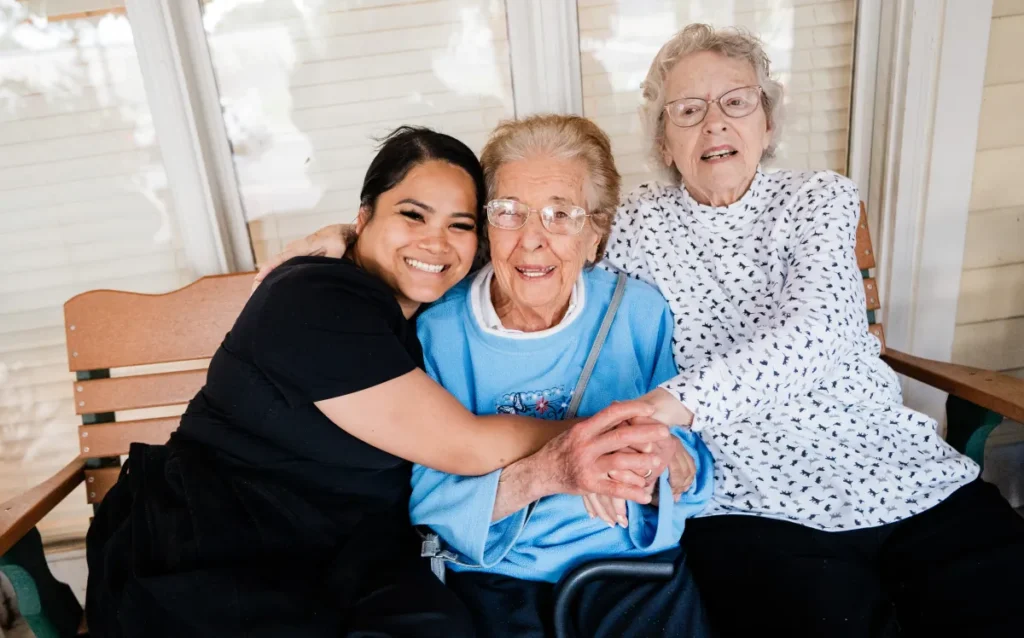
Moving into senior living marks the beginning of a new chapter; one that’s full of connection, comfort, and yes, a little bit of adjustment. The first few weeks might feel like a mix of relief and second-guessing. You’re not alone, but it can still sometimes feel that way. That’s okay. Let routines settle in naturally. Don’t pressure yourself to be social every minute, and don’t worry if you miss your old living space more than you expected. That will shift. What helps is learning a few names, saying hello to staff (even in passing), and giving yourself time to settle in without a stopwatch.
What Helps You Settle in Faster
A great start doesn’t require bringing everything you own, just the right things. A familiar chair, a well-loved lamp, even a few sentimental items can make a new apartment feel like home faster than a truckload of moving boxes ever could. One smart way to ease in socially? Try the 15-minute rule: show up, stay for a bit, and leave if it doesn’t feel right. No pressure, just presence. And if you can share a little about your daily habits, coffee before conversation, a late breakfast, staff trained in senior care can often help recreate your rhythm, just in a new space.
Why Connection Is So Important
More than just small talk in the hallway, connection is the real glue of a senior living community. Living among others doesn’t guarantee that sense of belonging, but tiny, genuine moments do. A nod across the dining room, a shared laugh in an art class, or someone remembering the name of your childhood pet. These are the sparks that make you feel seen. And those sparks don’t usually come from big, structured events. They show up in the ordinary, like knowing someone noticed you missed trivia or saved your seat at lunch.
How to Start Building New Relationships
Building new relationships doesn’t have to mean breaking out of your comfort zone in a big way. Sit beside someone, not across. Make a comment about the weather. Ask how long they’ve lived here. That’s enough to start. Often, it’s the quiet, repeated interactions that grow into friendship. Watch for neighbors who ask how you’re feeling or comment on your sweater. These are the familiar faces that make a place feel yours. The same goes for staff; some are in and out, but others will learn how you take your tea or notice when you don’t finish your crossword.
Getting Involved but Not Getting Overwhelmed
No one thrives by saying yes to everything. Getting involved should feel like dipping a toe in, not jumping into the deep end. Try one activity each week. Ask what it’s like. If it helps, bring someone along, or ask if someone else is already going. And remember, leaving halfway through is allowed. So is saying no. Finding the right rhythm isn’t about showing up to every event; it’s about showing up to the right ones for you.
The Five C’s of Community and What They Mean Here
You might hear about the Five C’s: common purpose, contribution, connection, caring, and communication. But what do those mean here? Common purpose means we’re all trying to live well, not just pass the time. Contribution is knowing your presence matters, not some grand gesture. Connection is that familiar nod in the hallway. Caring is when someone notices you missed dinner and checks in. Communication? That’s how we keep everything from your preferences to your safety in sync between staff, family, and you.
Wellness and Joy Built into Daily Structure
From flexible care plans and low-stress group activities to quiet places for rest and reflection, we support wellness in all its forms. Our team is trained to adapt based on what they see and what you share. Maybe that means swapping a group walk for a slower stroll. Or offering emotional support on a tough day. Joy isn’t something scheduled, but it can come out of support done well, which is our specialty.
Keeping the Family Connection Strong
Family connection is a key part of feeling at home. Visits don’t need to be elaborate. Bring a sandwich, watch a show, sit and chat. If you’re not nearby, regular phone calls help maintain the rhythm. Ask real questions about who they sat with at lunch, what dessert they had, and what time they got up. It might surprise you how much those specifics matter. And if you’re unsure how they’re adjusting, check in with staff. They often notice what others miss.
What Thriving Looks Like
Thriving in senior living means being seen. It’s waking up with something to look forward to, knowing someone will notice if you’re not at dinner, and feeling ownership over your space. It’s about familiar routines, discoveries, and quiet contentment.
Why Call Cura Living Home?
At Cura, we don’t aim to be the biggest, just the most attentive. Our pricing models are clear, our staff are here for connection, not just compliance, and our communities offer warmth that can’t be faked. Whether you’re exploring assisted living or just trying to understand how skilled nursing facilities compare, we’re happy to answer questions, show you around, and walk you through what comes next.
Disclaimer: This article is intended for informational purposes only and should not be considered medical, legal, or financial advice. Please consult with the appropriate professionals regarding your situation.