
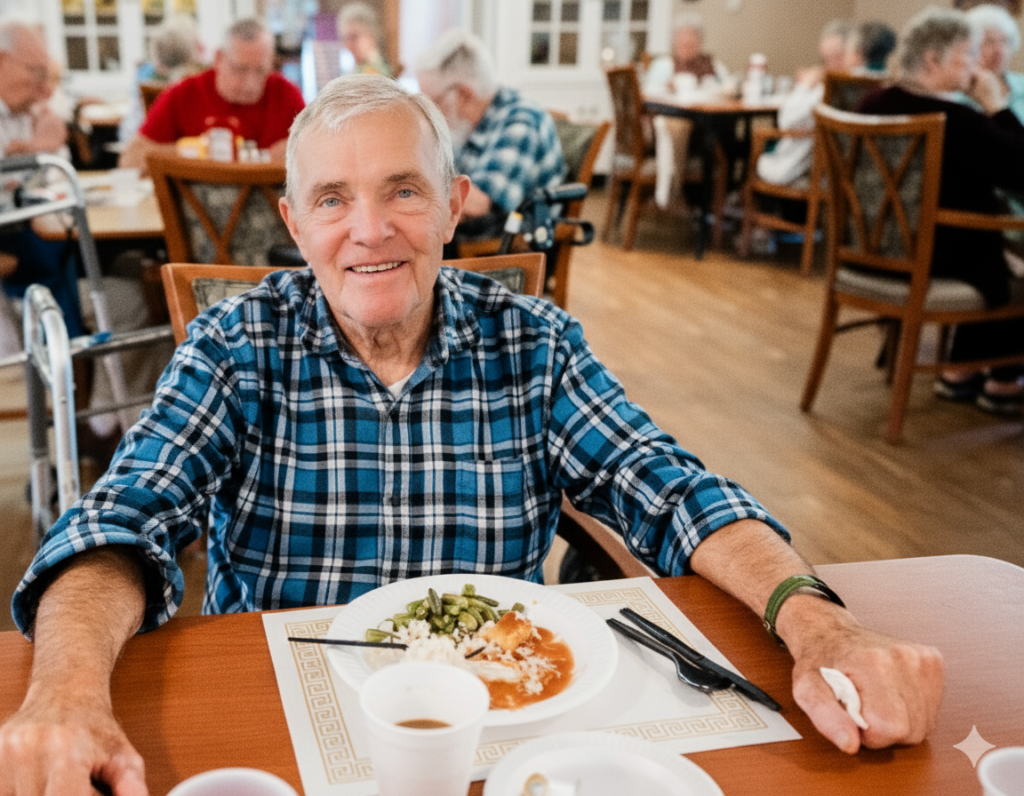
Nutrition for healthy aging is one of the most powerful tools you have to shape how you live your next chapter. Not in a restrictive, count-every-calorie way, but in the everyday sense of having the energy to take a long walk, the strength to lift a grandchild, and the clarity to enjoy a long conversation over coffee. Between the ages of 40 and 80, adults can lose up to half of their muscle mass, and what shows up on the plate is one of the biggest factors in whether that loss is gentle or steep.
Eating well after 60 isn’t about giving things up. It’s about giving your body what it actually needs at this stage, which turns out to be different than what it needed at 30. Small, consistent changes can make an outsized difference, and the foods that support healthy aging tend to be the ones that taste the best when prepared with a little care.
How Nutritional Needs Change as You Get Older
As you age, your calorie needs decrease while your nutrient needs stay the same or increase, your thirst and taste signals weaken, and certain medications interfere with how your body absorbs key vitamins and minerals. The result is that every bite has to do more work, and old eating habits don’t always serve you the way they used to.
A slice of toast with butter and jam may have filled the gap at 35; at 70, that same slice represents calories that could have delivered protein, fiber, and a meaningful dose of nutrients instead. The thirst signal naturally weakens with age, which is why so many older adults are mildly dehydrated without realizing it. Common prescriptions for blood pressure, cholesterol, and acid reflux can interfere with the body’s absorption of vitamin B12, calcium, and potassium, while the stomach itself produces less acid over time.
This is why a balanced, nutrient-dense diet matters more, not less, with each passing decade.
What Is the Best Diet for Healthy Aging?
The best diet for healthy aging is the Mediterranean diet, with the MIND and DASH diets close behind. All three emphasize vegetables, whole grains, lean proteins, healthy fats, and minimal processed foods, and all three are linked to lower risks of heart disease, cognitive decline, and chronic illness.
| Diet Pattern | Core Focus | Best For | Foods to Emphasize |
| Mediterranean | Heart, brain, and longevity | Most older adults | Olive oil, fish, vegetables, whole grains, legumes |
| MIND | Brain health and cognitive protection | Those concerned about memory or dementia risk | Leafy greens, berries, nuts, fish, beans |
| DASH | Blood pressure management | Adults with hypertension | Low-sodium foods, potassium-rich produce, whole grains |
| Healthy Vegetarian | Plant-forward eating | Those reducing or eliminating meat | Legumes, soy, eggs, dairy, whole grains, produce |
The Mediterranean diet shows up in nearly every study on aging well, with research linking it to lower risks of heart disease, stroke, type 2 diabetes, and cognitive decline. The MIND diet, developed at Rush University, blends Mediterranean and DASH principles with a specific focus on brain health and may slow cognitive decline and reduce the risk of Alzheimer’s disease. DASH is especially helpful for adults managing hypertension, which affects roughly two-thirds of people over 60. The right choice is the one you’ll actually enjoy and stick with.
The Most Important Nutrients for Seniors
The most important nutrients for older adults are protein, calcium, vitamin D, vitamin B12, fiber, and omega-3 fatty acids. Most can come from food alone, no supplement aisle required.
| Nutrient | Why It Matters | Best Food Sources |
| Protein | Maintains muscle and supports recovery | Fish, poultry, eggs, Greek yogurt, beans, lentils |
| Calcium | Keeps bones strong and reduces fracture risk | Dairy, fortified plant milks, sardines, leafy greens |
| Vitamin D | Helps absorb calcium and supports immunity | Salmon, fortified milk, egg yolks, sunlight |
| Vitamin B12 | Supports nerve function and energy | Fish, meat, eggs, fortified cereals |
| Fiber | Aids digestion and supports heart health | Whole grains, beans, fruits, vegetables, nuts |
| Omega-3s | Support brain and cardiovascular health | Salmon, sardines, walnuts, flaxseed |
Potassium and magnesium also deserve a mention. Both help regulate blood pressure, and both are easily found in bananas, sweet potatoes, beans, leafy greens, and avocados.
How Much Protein Do Older Adults Need Daily?
Older adults need roughly 0.45 to 0.55 grams of protein per pound of body weight daily, or about 68 to 83 grams for a 150-pound adult, spread across meals at 25 to 30 grams per sitting. This is significantly more than younger adults need, and most older adults aren’t getting close to it.
Sarcopenia, the gradual loss of muscle mass and strength that comes with age, contributes to falls, frailty, and loss of independence. Adequate protein, paired with regular movement, is one of the most reliable ways to slow it. Just as important as the total is how you spread it out, the body uses protein most efficiently when it’s distributed across all three meals rather than concentrated at dinner.
What 25 to 30 grams looks like in practice:
- 4 ounces of grilled chicken breast
- 5 ounces of salmon
- 1 cup of Greek yogurt with 2 tablespoons of nuts
- 3 large eggs with whole-grain toast and cottage cheese
- 1 cup of cooked lentils with a side of quinoa
Building a Healthy Plate
Forget calorie counting. Most older adults do far better with a simple visual approach:
- Half the plate: non-starchy vegetables and fruit
- A quarter: lean protein
- A quarter: whole grains or starchy vegetables
- A small addition: healthy fat (olive oil, avocado, nuts, or seeds)
- A glass of water alongside the meal
You don’t need a recipe for every meal. You need a framework, and this one travels.
Foods to Embrace and Foods to Limit
Make routine: fresh and frozen produce, whole grains (oats, brown rice, quinoa), beans and lentils, fish, poultry, eggs, tofu, nuts, seeds, plain Greek yogurt, olive oil, and avocados.
Cut back on: frozen dinners, packaged baked goods, sugary cereals, deli and processed meats, jarred sauces, instant noodles, and soda. These tend to be high in sodium and refined sugars that contribute to inflammation and chronic disease.
The American Heart Association recommends no more than 1,500 mg of sodium per day for most older adults. Build flavor with herbs, garlic, lemon juice, vinegar, and spices instead of salt. For sweetness, fresh berries with a drizzle of honey and a dollop of Greek yogurt is a dessert that loves you back.
Delicious Meal Ideas for Every Time of Day
The best meal plan is the one you’ll actually make.
Breakfast: Greek yogurt parfait with berries and walnuts; veggie omelet with spinach, tomato, and feta; overnight oats with almond butter and banana; smoothie with spinach, berries, Greek yogurt, and protein powder; whole-grain toast with avocado and a poached egg.
Lunch: Mediterranean grain bowl with quinoa, chickpeas, cucumber, and feta; salmon salad on whole-grain bread; lentil soup with a side salad; turkey-avocado wrap with hummus and spinach.
Dinner (30 minutes or less): Sheet-pan salmon with roasted broccoli and sweet potato; one-pan lemon chicken with quinoa and asparagus; turkey chili with kidney beans and peppers; whole-wheat pasta with sardines, garlic, and wilted greens.
Snacks: hummus with vegetables; apple with almond butter; cottage cheese with fruit; mixed nuts; hard-boiled eggs.
If you’d like to see how a full week of senior-friendly meals comes together, you’re welcome to request a sample menu from one of our communities.
Hydration: The Most Overlooked Part of Senior Nutrition
The National Academy of Medicine recommends about 9 cups of fluid daily for women and 13 for men, unless your doctor has prescribed a fluid restriction. Water counts. So do herbal teas, milk, broth-based soups, and water-rich foods like watermelon, cucumber, oranges, and tomatoes. Keep a glass of water at your bedside, on the kitchen counter, and on your favorite chair, drink one before each meal, and add lemon, mint, or cucumber if plain water feels boring.
Common Eating Challenges and How to Solve Them
Loss of appetite. Switch to smaller, more frequent meals. Nutrient-dense smoothies are a quiet hero, blending fruit, Greek yogurt, nut butter, and a handful of greens into one drinkable meal.
Difficulty chewing or swallowing. Soft, protein-rich foods like eggs, fish, beans, Greek yogurt, oatmeal, and well-cooked vegetables make eating easier without sacrificing nutrition. If swallowing becomes consistently difficult, a speech-language pathologist or doctor can recommend safe modifications.
Diminished taste and smell. Layer flavor with citrus, vinegar, fresh herbs, garlic, ginger, and spices like cumin and smoked paprika. For texture, a sprinkle of nuts or seeds can make a familiar dish feel new.
Signs of malnutrition. Watch for unintended weight loss, persistent fatigue, slow wound healing, frequent infections, or loss of grip strength. If any show up, it’s worth a conversation with a doctor or a registered dietitian. The Academy of Nutrition and Dietetics can help you find one nearby.
Final Thoughts on Eating Well as You Age
Nutrition for healthy aging isn’t about following a strict plan or hitting every macro perfectly. It’s about variety, protein at every meal, water throughout the day, and choosing whole foods more often than not. The body continues to respond to good food at every age. Strength, energy, mood, and cognition all benefit from what shows up on the plate, week after week.
If you’re reading this for someone you love, know that good intentions go a long way. So does company. Sharing a meal is one of the oldest forms of care.
How Cura Living Supports Healthy Living
Eating well is easier when the environment supports it, and that’s something we take seriously at Cura Living. Our communities are built around the belief that mealtime is more than nutrition. It’s connection, comfort, and one of the small daily pleasures that make a house feel like home.
Our culinary teams design menus around the same principles we’ve covered here: whole foods, adequate protein, fresh produce, and meals residents genuinely look forward to. We accommodate dietary needs across the spectrum, including low-sodium, diabetic-friendly, soft-texture, and culturally specific options, such as kosher dining, in our Boca Raton community. Because every resident is an individual, our teams take the time to learn personal preferences, not just dietary restrictions.
What sets a Cura Living community apart isn’t a marketing line; it’s the way meals feel. Everyone says they treat residents like family. We’d rather you feel that for yourself.
If you or someone you love is exploring senior living options, reach out to the Cura Living community nearest you to schedule a visit and join us for a meal.